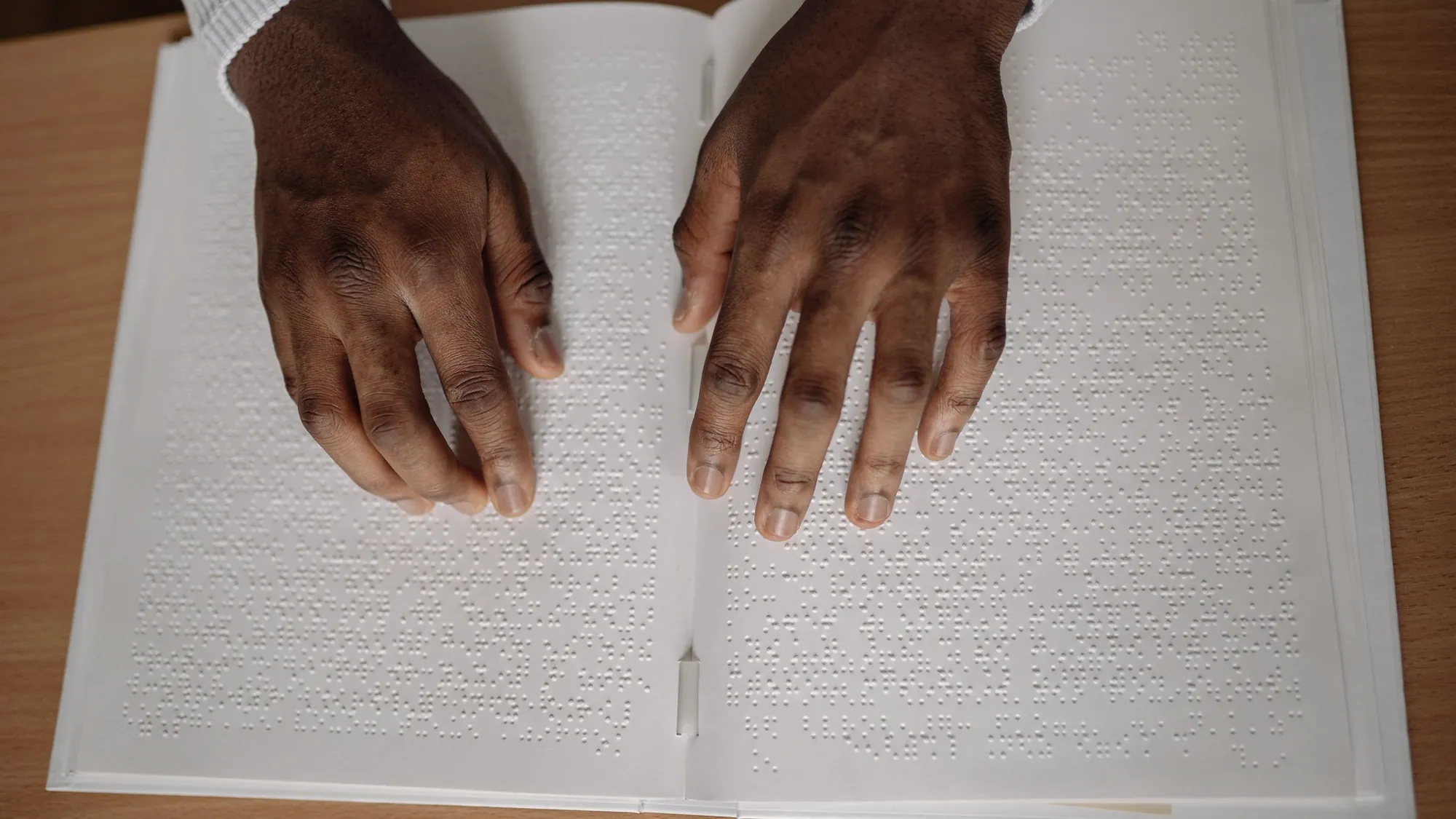
Educational support and vocational training
Provide formal education and practical trades to visually impaired individuals, so that learning does not stop at the point of sight loss.
Buea, Cameroon · since 1967
A beacon of hope and transformation for visually impaired individuals across Cameroon.
Why this place exists
In 1967 the phenomenon of blindness was rising around Bavenga and there was nowhere for a blind Cameroonian to learn to live independently. Sight loss meant being led everywhere, taught nothing, and counted out. The institute was founded to break that sequence — and it still is the country's answer to it.
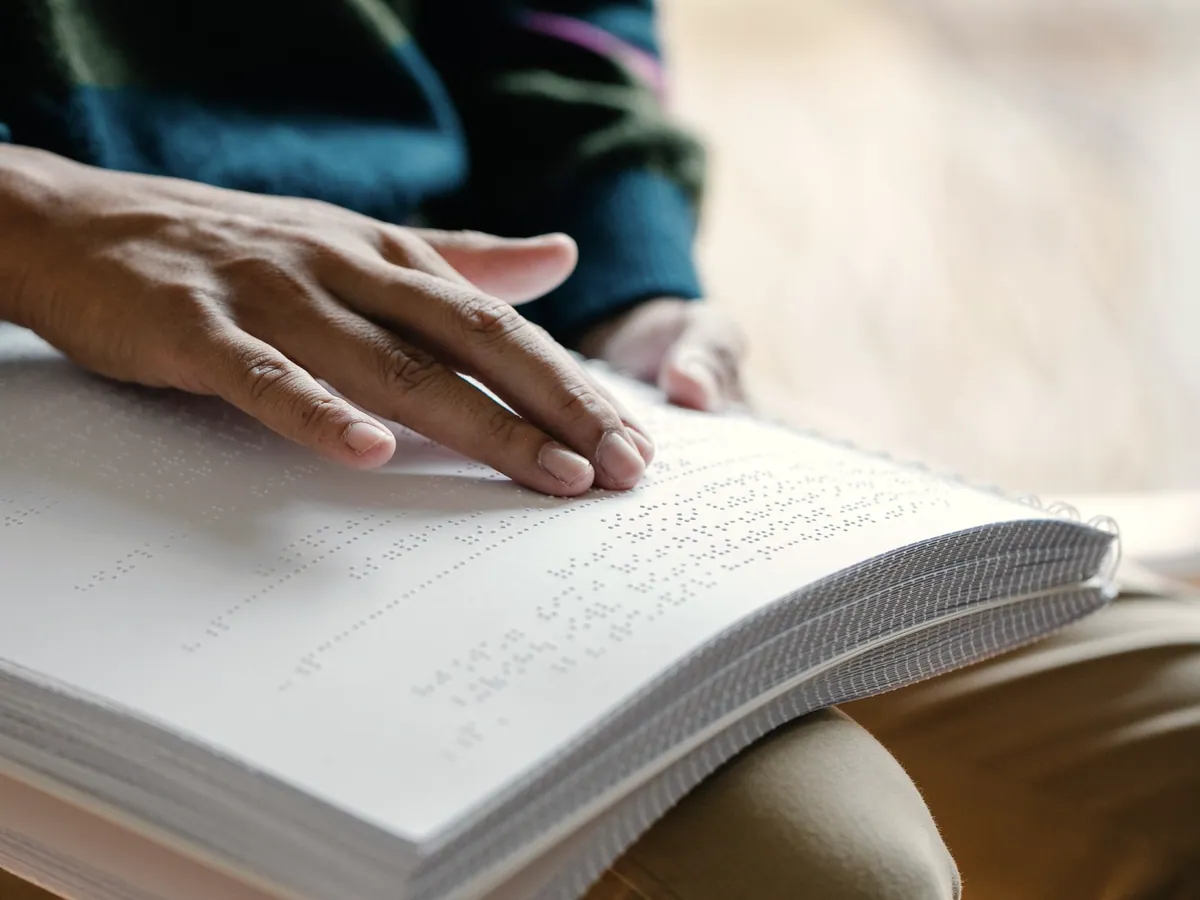
“This section transforms the blind trainee from dependence to a state of independence.”
How it began
A mission station in Bavenga became a government institute in Buea, and then became the first of its kind in Cameroon.
1967
Created by Protestant missionaries as the centre for the blind in Bavenga, Muyuka — a vocational training facility for males with visual impairment, established to tackle the increasing phenomenon of blindness in the area.
1968
The centre moved to Bulu village, from which the local name Bulu Blind Centre derives, and was handed to the government under the joint supervision of the Ministries of Primary Education and Social Affairs.
1980
By Presidential Decree no. 80/380 of 13 September, the government assumed official ownership. The centre was renamed the Rehabilitation Institute for the Blind, admission modalities were changed to wipe out gender discrimination, and it became the country's first state-run institution for visually impaired individuals, under the technical supervision of the Ministry of Social Affairs.
Presidential Decree no. 80/380 of 13 September 1980 set out what this institution exists to do. Unchanged since.
Provide formal education and practical trades to visually impaired individuals, so that learning does not stop at the point of sight loss.
Enable trainees to participate actively in the development of their communities, ensuring independence and inclusion in mainstream society.
Inculcate living skills alongside vocational training, with a view to facilitating autonomy and self-dependence.
Programme
A trainee arrives dependent and leaves able to live, learn and earn. Each section carries one stretch of that journey.
The core section of technical rehabilitation
Transforms the blind trainee from dependence to a state of independence. Personalities are rebuilt, so that trainees accept their situation and live with the disability.
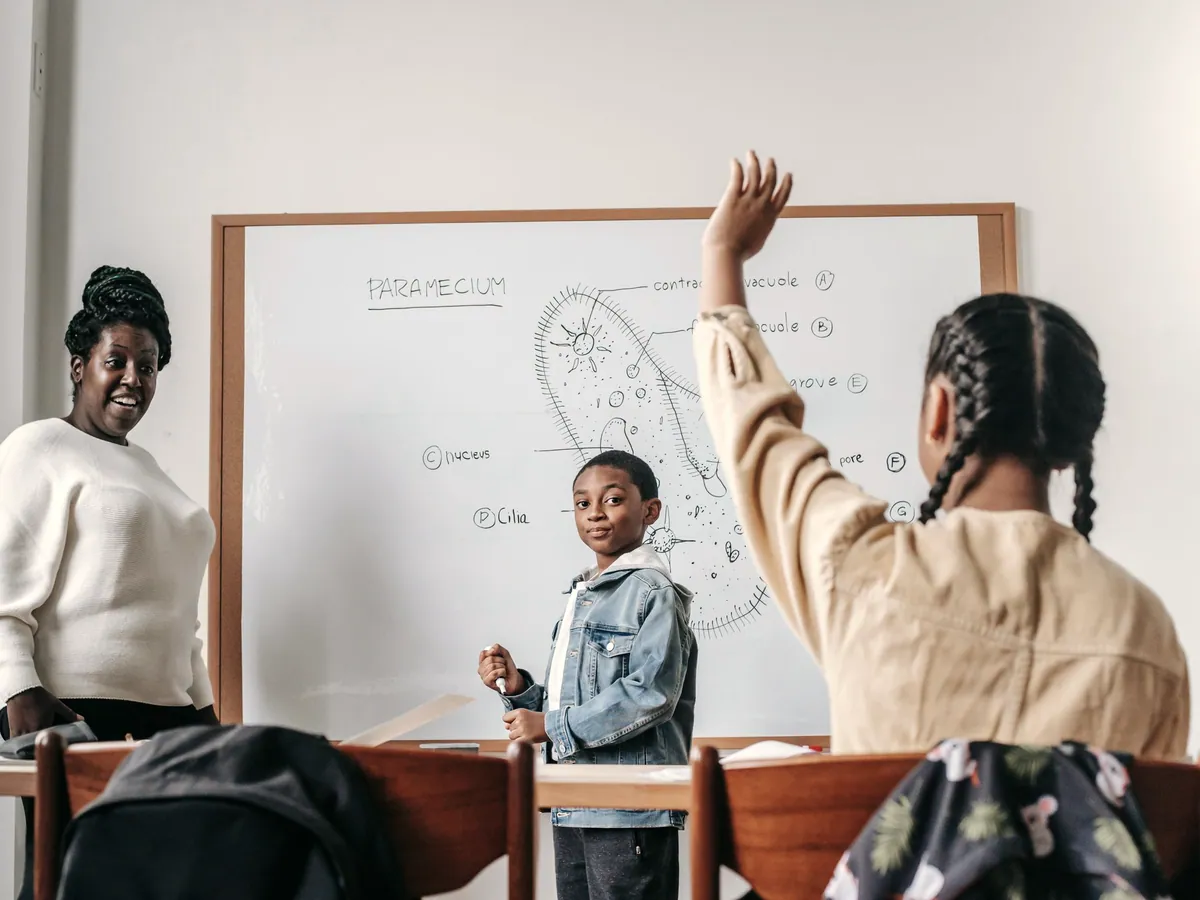
Formal education
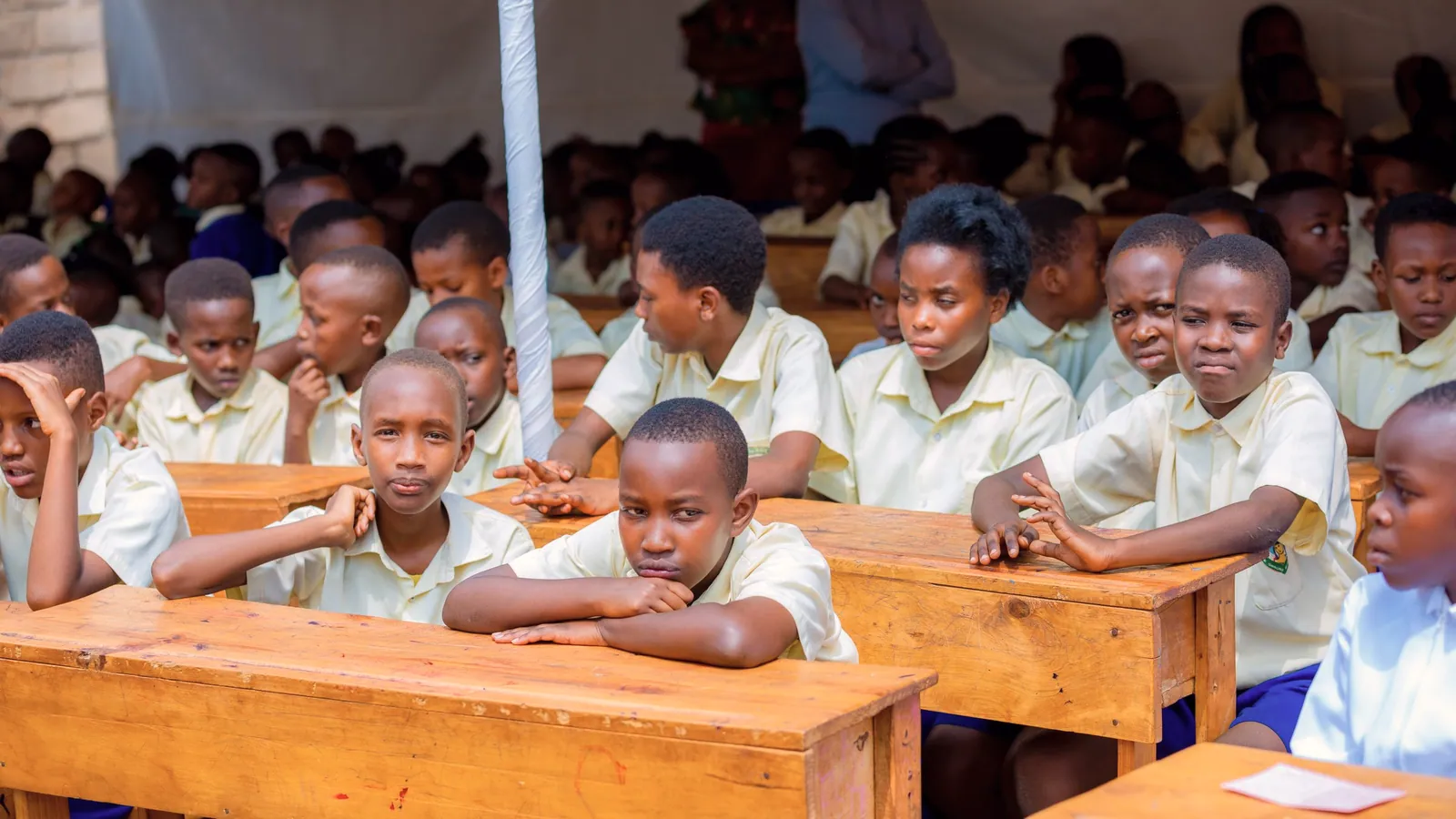
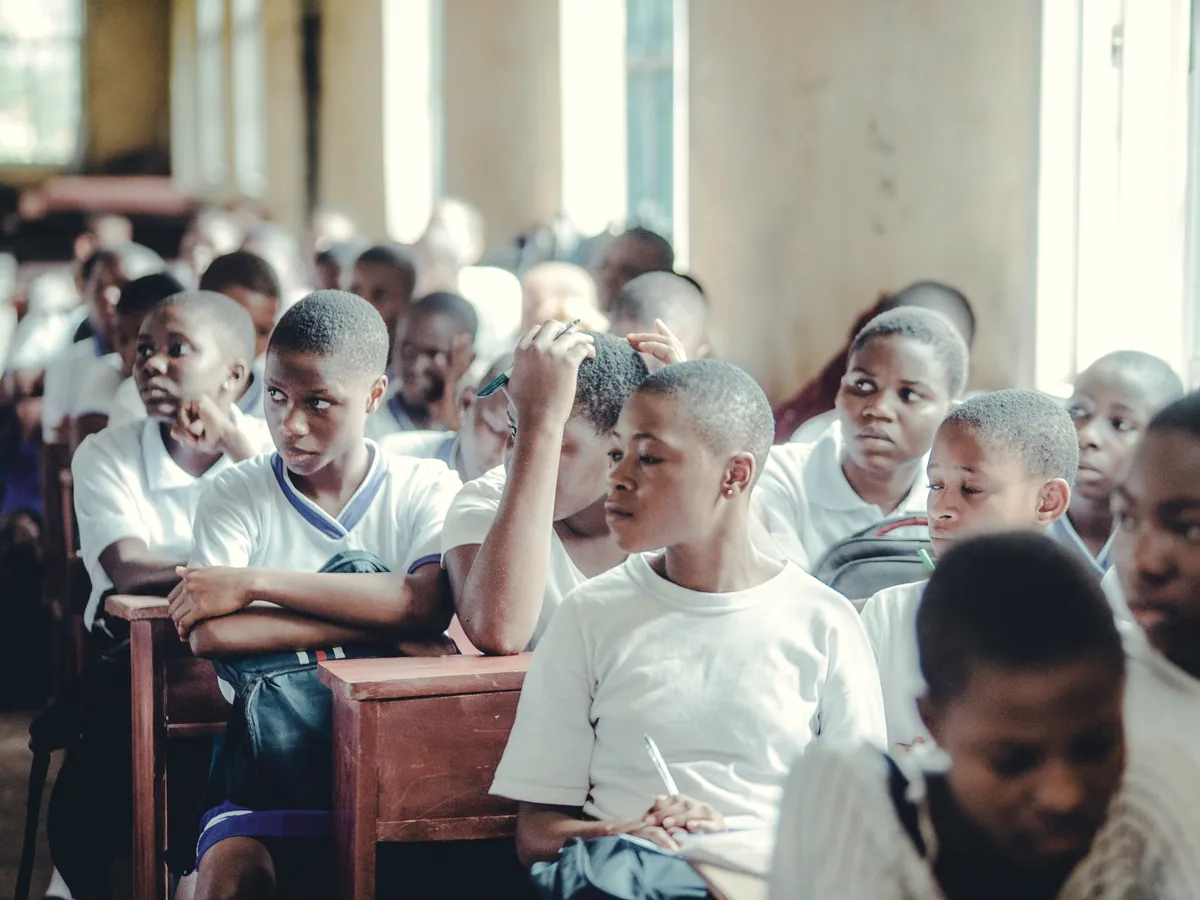
A bilingual programme prepares trainees for the FSLC and the CEPI. Here they are drilled on braille, which is the essence and core activity of their rehabilitation.
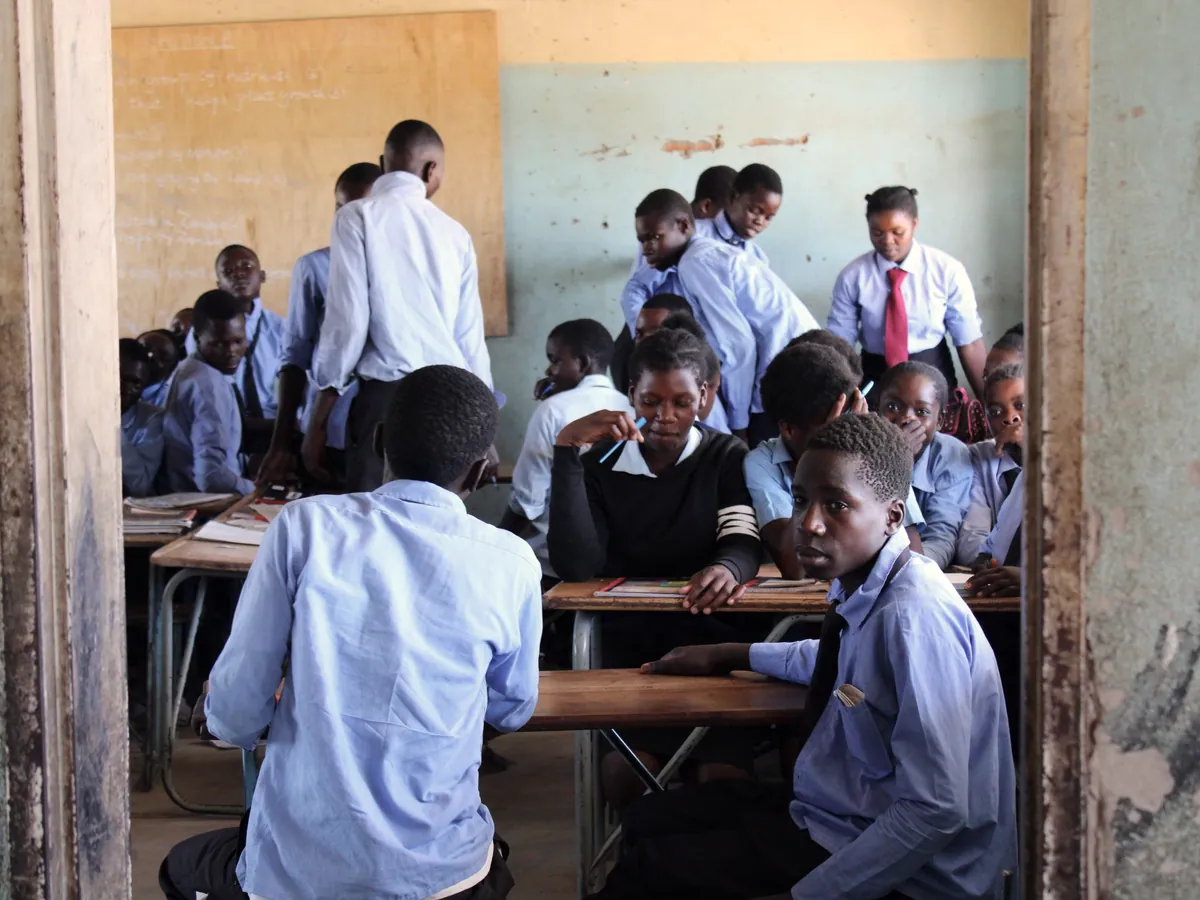
Health needs of trainees and staff
The unit attends to the day-to-day health of everyone on campus, trainees and staff alike.
After core training ends
The phase after trainees have completed mobility and orientation, braille literacy, vocational skills or basic education — the point at which rehabilitation either holds or unravels.
Basic skills for economic independence
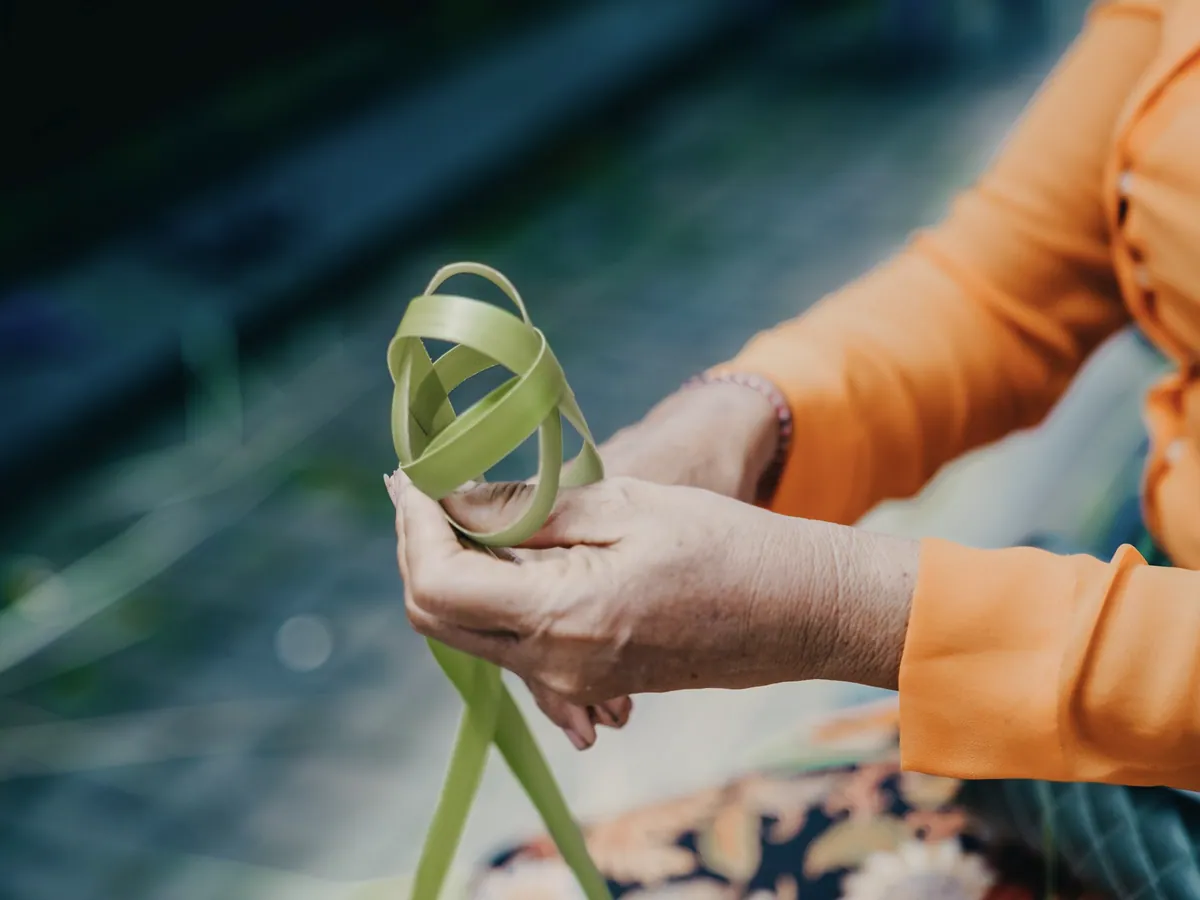
Handicraft and agriculture, taught as a route to earning rather than as occupation therapy.
A day here
Meals are taken strictly in the refectory except in cases of illness. Bed time is 10pm, lights out. On public holidays activities begin at 7:30am and end at 2:30pm.
| Time | Activity | Led by |
|---|---|---|
| 5:00 – 7:00 | Wake up, morning chores, bathThe timekeeper rings the bellEducators | Educators |
| 7:00 – 7:30 | Morning devotion, national anthem, prayers, news bulletin, announcementsEducators and teachers | Educators and teachers |
| 7:30 – 8:00 | BreakfastAssisted by female staff when neededCook | Cook |
| 8:00 | Classes and workshops beginTeachers, vocational instructors | Teachers, vocational instructors |
| 10:00 – 10:15 | Short break | |
| 12:00 – 12:30 | LunchCook | Cook |
| 12:30 – 2:30 | Classes and workshops resumeSupervisedTeachers, vocational instructors | Teachers, vocational instructors |
| 2:30 – 3:30 | Nap timeChief educator, educators | Chief educator, educators |
| 3:30 – 6:30 | Leisure and sport, educative talk, health sensitisationSports on Tuesdays and FridaysSports instructor, educators, music director | Sports instructor, educators, music director |
| 6:30 – 7:00 | SupperCook | Cook |
| 7:00 – 10:00 | Choir practice, interdisciplinary meeting, studiesTrainees, educators, music director | Trainees, educators, music director |
| 10:00 | Bed timeLights outChief educator, educators | Chief educator, educators |
The place
A perimeter wall painted black and white runs the boundary of the property, for privacy and security. Archives indicate the land originally allocated measured more than 7,000m². Part has since been lost to trespass, in the absence of a complete fence and a land title.
The hen house, and the IT and vocational workshop, are donations from Orange Cameroon.
The people
The whole institution, listed. Both braille instructors are temporary workers, which is the single most fragile point in the programme.
1967
Founded
As the centre for the blind, Bavenga
60+
Places
27 trainees currently enrolled
18
Permanent staff
Across teaching, care and trades
7
Classrooms
Plus library and vocational workshop
The technical file states 18 permanent staff; the roles it lists total 19. Both are shown as published, pending confirmation from the institute.
Admission
Applications are addressed to the Director. If any document is difficult to obtain, come and speak to the office before giving up on a place.
Registration fee
30,000 FCFA
Support
Named rather than general, so a partner can fund one item outright and know exactly what it did. Orange Cameroon did this once already: the IT workshop and the hen house are theirs.
Urgent
One installation resolves three failures at once: water pumping, lighting, and campus security. Currently the borehole stops whenever the power does.
Urgent
Braille is the core of rehabilitation here, and every sheet is currently produced by hand. An embosser multiplies what two temporary teachers can do.
Ongoing
For trainees whose families cannot afford one. A cane is the difference between being led and going somewhere alone.
Ongoing
Many beds and lockers in both the girls' and boys' dormitories are beyond repair.
Urgent
Both braille instructors are temporary workers. The institute also needs a cook, a sports instructor and security personnel.
Urgent
Water seeps through the administrative building's roof, which is weighted with stones to stop the zinc lifting in storms. The health unit's roof also needs work.
To discuss a donation, a partnership or a visit, contact the Director’s office at the institute.
How to reach usVisit
Bulu Blind Street
Bulu village, Buea
Fako Division, Cameroon
Isolated by design, and by circumstance.
The decree notes the importance of isolation given the nature of our trainees’ disability. In practice it also means the institute sits about 700m from the main highway, which is why security and a complete fence matter so much here.
Known locally as the Bulu Blind Centre, a name that has outlived two changes of ownership.